
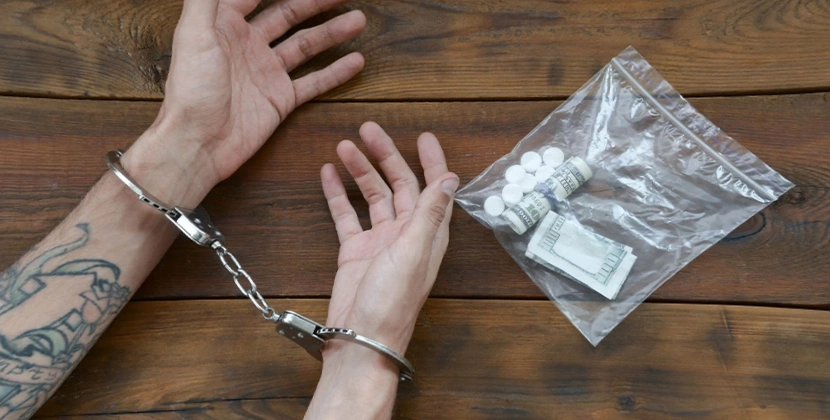
Pennsylvania has strict drug possession laws. Whether it’s a small amount of marijuana or a controlled substance like heroin or prescription opioids, the consequences can range from fines and probation to significant time in jail.
Drug possession laws in Pennsylvania are based on the type and amount of the substance involved. Possessing even a small amount of a controlled substance can lead to serious legal trouble, including a permanent criminal record.
When you face drug possession charges, a criminal defense attorney can review the charges you’re facing, help you understand the potential penalties, and advocate for the best possible outcome.
Pennsylvania’s Drug Classification Schedules
Pennsylvania generally follows federal drug classification schedules. For example:
- Schedule I – These drugs lack any currently accepted medical use and present a high potential for abuse. Examples include heroin, LSD, cannabis, and peyote.
- Schedule II – These drugs have a high potential for abuse and may result in severe physical or psychological dependence. Examples include cocaine, Vicodin, methamphetamine, Adderall, fentanyl, and Ritalin.
- Schedule III – These drugs have a moderate or low potential for dependence. Examples include some codeine products, ketamine, testosterone, and anabolic steroids.
- Schedule IV – These have a low risk of abuse or dependence. Examples include Xanax, Ativan, Valium, and Ambien.
- Schedule V – These drugs have an even lower potential for abuse than Schedule IV drugs. They have limited quantities of certain narcotics, and include medications like Robitussin AC and Lyrica.
Some cities have also decriminalized small amounts of cannabis. They have opted to impose fines instead of criminal charges. The state has also repealed mandatory driver’s license suspensions for non-driving-related drug offenses.
Penalties for Drug Possession
There are two main types of drug possession charges:
- Simple Possession –Simple possession can be charged when someone is found with a small or moderate amount of a controlled substance, including prescription drugs for which the person lacks a valid prescription. This misdemeanor is punishable by up to one year in jail, fines up to $5,000, and probation or court-ordered rehabilitation programs.
- Possession with Intent to Deliver (PWID) – You could be charged with PWID when you possess drugs with the intent to distribute them to other people. This encompasses manufacturing, distributing, selling, and cultivating illegal drugs. PWID is a felony. Penalties depend on the type and amount of drug involved. For example, PWID marijuana is punished by up to five years in prison and fines of up to $15,000. PWID methamphetamines is punished by up to 10 years in prison and up to $100,000 in fines.
It’s important to note that prior drug convictions can increase the penalties. If you were found with controlled substances near schools or playgrounds, this can also result in harsher penalties. However, in some simple possession cases, you may be eligible for diversionary programs instead of jail time.
In addition to these penalties, you could lose your right to possess a firearm and your professional licenses. Convictions make it difficult to pass background checks, rent housing, and find employment.
Contact a Pennsylvania Criminal Defense Attorney
If you’ve been charged with drug possession, early legal intervention is key. The criminal defense attorneys at SMT Legal can help protect your rights and fight to dismiss or minimize your charges. Call us today at 412-765-3345 or fill out our contact form for a free consultation.

