
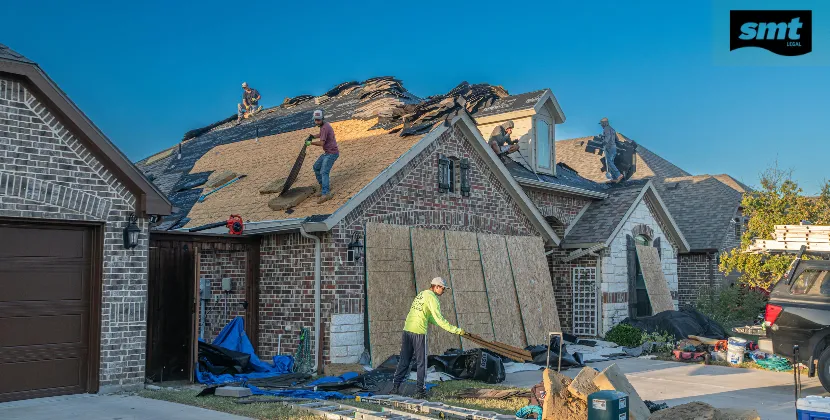
Damage to your car or home leaves you with repairs to arrange, bills to cover, and a claim to file with your own insurer. What counts as first-party property damage in Pennsylvania is loss to your own property that you claim through your own insurance policy, such as your car, house, or belongings.
A claim against another driver’s insurer is a third-party claim, and it works differently. At SMT Legal, we handle property damage cases for Pennsylvanians when an insurer delays, underpays, or denies a first-party claim. We can go over what your policy covers, what your insurer owes, and when a property damage attorney can help.
Vehicle Damage Under Your Pennsylvania Auto Policy
Two optional coverages pay for damage to your car. Collision coverage pays to repair damage from an accident, and comprehensive coverage pays for theft or damage from hazards such as fire, flood, and vandalism. Pennsylvania’s required property damage liability coverage only pays for other people’s property.
Comprehensive coverage also covers damage from hitting a deer, and PennDOT counted more than 6,300 deer-related crashes in Pennsylvania. Lenders usually require collision and comprehensive coverage on financed cars, and both claims come with a deductible, the amount you pay before coverage begins.
Home Damage Under Your Pennsylvania Homeowners Policy
A homeowners policy covers first-party damage in four ways. Dwelling, other structures, and personal property coverage pay for damage to your house, detached garage or shed, and belongings. Loss of use coverage pays added living expenses when a covered loss keeps you out of your home.
Common exclusions include flood and earthquake, so your policy language decides what you can claim. Keep receipts for emergency repairs, temporary housing, and replaced belongings.
Pennsylvania Property Damage Laws on Delays and Denials
Pennsylvania property damage laws set time limits for your insurer. Under 31 Pa. Code § 146.7, an insurer must accept or deny your claim within 15 working days after receiving proof of loss, and a denial based on a policy provision must cite it.
If the insurer needs more time, it must say why in writing, then send updates 30 days later and every 45 days after that. Your insurer must investigate your claim fairly and promptly. If a court finds an insurer acted in bad faith, it can award interest, punitive damages meant to punish the insurer, and attorney fees under 42 Pa.C.S. § 8371.
Hire a Property Damage Lawyer Before You Accept an Offer
You should hire a property damage lawyer when an insurer undervalues your repair estimate, delays a decision, or denies coverage your policy appears to provide. A property damage attorney can read the policy, compare the offer with your repair and replacement costs, and press the insurer for a written explanation of any denial.
Our Pittsburgh office works with clients across Pennsylvania on property damage cases that go beyond a routine claim.
What to Do Next With a First-Party Claim
First-party property damage is damage to your own car, home, or belongings that your own policy may cover. Your coverage type decides what is paid, and Pennsylvania’s claim deadlines apply once you file. Start by reading your policy, taking pictures of the damage, and keeping every letter your insurer sends.
Don’t accept a settlement or sign a release until you understand your coverage. If the insurer stalls, undervalues, or denies your claim, schedule a free consultation with SMT Legal, and we can tell you where your claim stands.

