

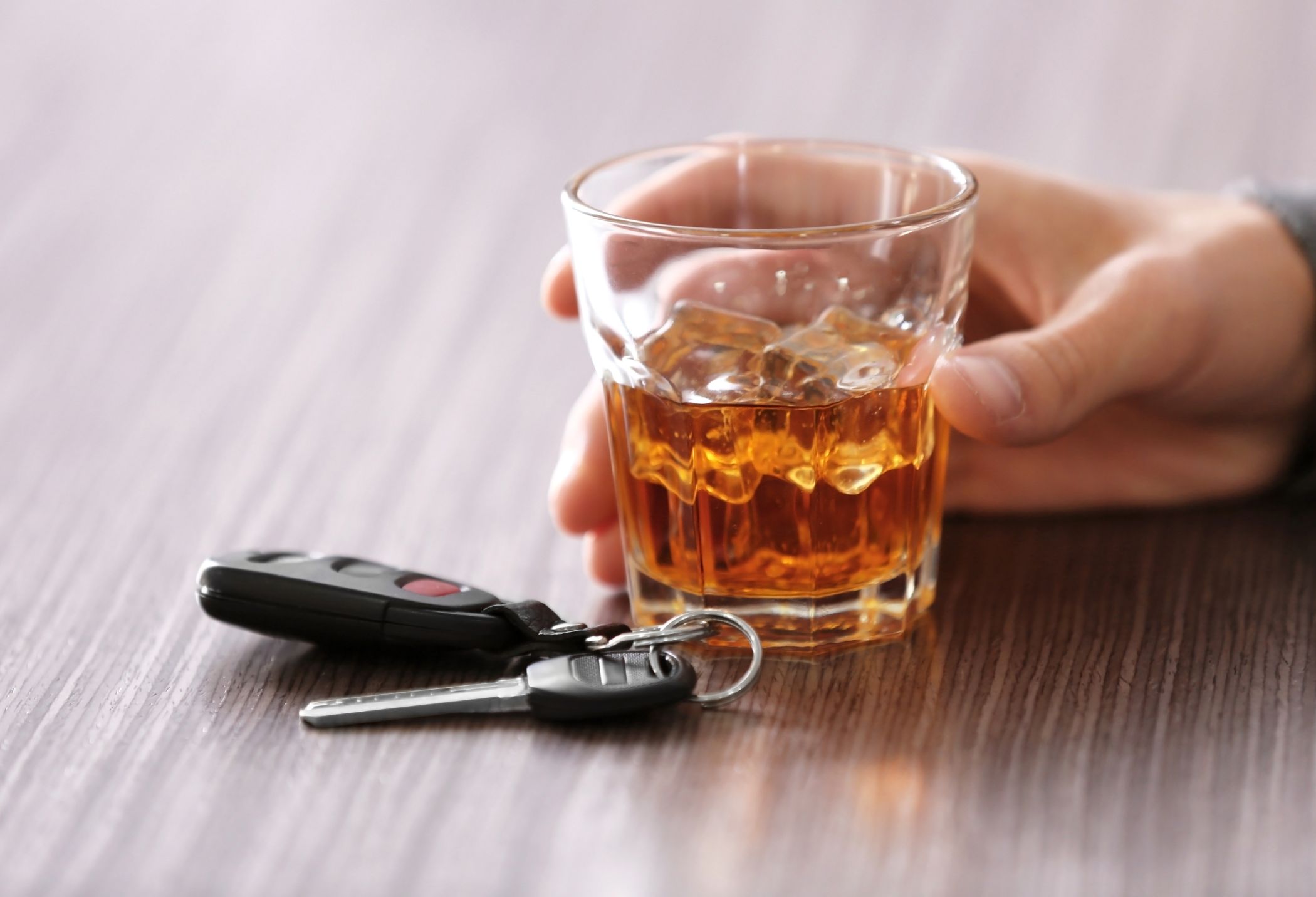
Pennsylvania treats driving under the influence (DUI) offenses with increasing severity based on two key factors: your blood alcohol concentration (BAC) level and your prior offense history. Understanding these penalties can help you make informed decisions if you face DUI charges.
Pennsylvania’s Three-Tier DUI System
Pennsylvania law establishes three distinct categories of DUI offenses:
- General Impairment (.08 percent to .099 percent BAC): This lowest tier still carries significant consequences.
- High BAC (.10 percent to .159 percent BAC): Mid-level offenses come with enhanced penalties.
- Highest BAC (.16 percent and higher): This most serious category also includes controlled substance DUIs and chemical test refusals.
First Offense DUI Penalties
For first-time offenders, penalties vary by BAC level:
- General Impairment: Charged as an ungraded misdemeanor, with penalties of up to six months of probation, a $300 fine, mandatory alcohol highway safety school, and possible treatment
- High BAC: Charged as an ungraded misdemeanor, with penalties of a 12-month license suspension, 48 hours to six months of incarceration, a $500-$5,000 fine, mandatory alcohol highway safety school, and possible treatment
- Highest BAC: Charged as an ungraded misdemeanor, with penalties of a 12-month license suspension, 72 hours to six months of incarceration, a $1,000-$5,000 fine, mandatory alcohol highway safety school, and possible treatment
Second Offense DUI Penalties
Penalties increase substantially for second offenses:
- General Impairment: Charged as an ungraded misdemeanor, with penalties of a 12-month license suspension, five days to six months of incarceration, a $300-$2,500 fine, alcohol highway safety school, and possible treatment
- High BAC: Charged as an ungraded misdemeanor, with penalties of a 12-month license suspension, 30 days to six months of incarceration, a $750-$5,000 fine, alcohol highway safety school, and possible treatment
- Highest BAC: Charged as a first-degree misdemeanor, with penalties of an 18-month license suspension, 90 days to five years of incarceration, a $1,500-$10,000 fine, alcohol highway safety school, and possible treatment
Third Offense DUI Penalties
Third offenses carry the harshest consequences:
- General Impairment: Charged as a second-degree misdemeanor, with penalties of a 12-month license suspension, 10 days to two years of incarceration, a $500-$5,000 fine, and possible treatment
- High BAC: Charged as a first-degree misdemeanor, with penalties of an 18-month license suspension, 90 days to five years of incarceration, a $1,500-$10,000 fine, and possible treatment
- Highest BAC: Charged as a first-degree misdemeanor, with penalties of an 18-month license suspension, one to five years of incarceration, a $2,500-$10,000 fine, and possible treatment
Additional Consequences
Beyond these statutory penalties, all DUI convictions require the installation of an ignition interlock device for one year after license restoration. Pennsylvania also mandates alcohol evaluation for all offenders, as well as treatment when ordered by the court.
Many people fail to recognize the profound long-term effects of a DUI conviction, including employment difficulties, insurance increases, professional license issues, and even international travel restrictions.
How SMT Legal Can Help
At SMT Legal, our experienced attorneys understand Pennsylvania’s complex DUI laws. We can evaluate your case, identify potential defenses, and work toward the best possible outcome. For first-time offenders, we can determine your eligibility for the Accelerated Rehabilitative Disposition (ARD) program. If you’re facing DUI charges in Pennsylvania, contact us for a consultation