

When a motor vehicle accident involves two vehicles, figuring out who caused what can feel like a puzzle with missing pieces. However, if you’ve been hurt in a multi-car crash in Pennsylvania, it’s important to understand how fault is determined and what your rights are.
What Is a Multi-Car Accident?
A multi-car accident involves three or more vehicles. This often happens in chain-reaction crashes. For example, if one driver crashes into the rear of the vehicle in front of them, and that car is pushed into the one in front, it can lead to a pile-up. These accidents can happen at traffic lights, on highways, or during bad weather when drivers can’t stop in time. They’re not always simple. More than one driver may share the blame, and each insurance company may tell a different version of what happened.
How Is Fault Determined in Pennsylvania?
To determine who caused the crash, your lawyer, the insurers, and the court, if your case goes to trial, will review all the available evidence. After a multi-car crash, figuring out who did what can be difficult. That’s why evidence is so important. The types of proof that help in these injury cases include:
- Police reports that describe the scene and may include witness statements
- Dashcam or traffic camera footage showing how the crash unfolded
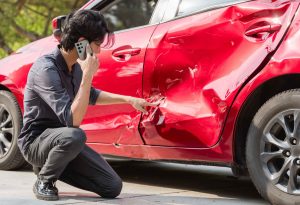
- Photos of vehicle damage, tire marks, or road conditions
- Witnesses who saw the crash and can explain what they observed
- Vehicle damage reports or repair records
All of this information helps show how the crash happened and which drivers may be responsible.
Additionally, Pennsylvania follows a rule called modified comparative fault. Under this rule, if you are found to be more than 50 percent responsible, you can’t collect compensation from the other drivers. However, if you’re 50 percent or less at fault, you can still recover money, though it will be reduced in proportion to your share of blame.
Let’s say you’re found to be 20 percent at fault and your total compensable losses add up to $10,000. You could still recover $8,000.
Common Causes of Multi-Car Crashes
There are several reasons why these types of accidents happen. Some of the most common causes include:
- Tailgating, or following too closely
- Distracted driving, like texting or eating behind the wheel
- Speeding, especially in heavy traffic
- Sudden stops or unsafe lane changes
- Driving too fast for weather conditions
When one driver makes a bad choice, it can cause a chain reaction. However, in some cases, more than one driver may have made mistakes that contributed to the crash.
What To Do After a Multi-Car Crash
If you’re ever in a multi-car accident, your safety comes first. After that, there are a few important steps to take:
- Call 911 and report the crash
- Get medical help, even if you don’t feel hurt right away
- Take photos of the vehicles and the scene, if you can
- Get names, contact information, and insurance details from all drivers involved
- Talk to witnesses and ask for their contact information
- Write down everything you remember while it’s still fresh
These steps can make a big difference later if you need to prove your case.
You Don’t Have To Figure This Out Alone
Multi-car crashes are messy and figuring out who’s responsible isn’t always easy. However, you don’t have to sort through it by yourself. If you’ve been injured in a pile-up or chain-reaction crash in Pennsylvania, call SMT Legal. Our car accident attorney serving Pittsburgh will listen to your story, look at the details, and explain your options. Let SMT Legal fight for the care and compensation you deserve. Call now to get started with a consultation.